
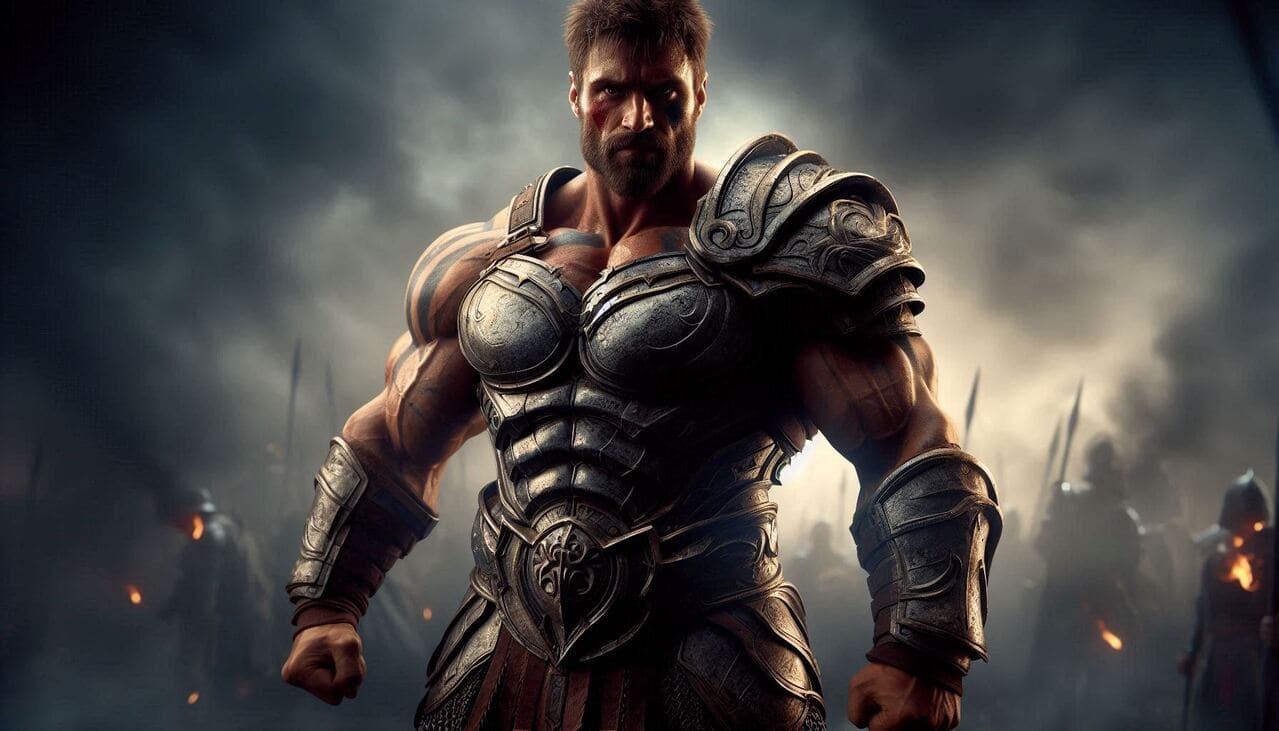
In the realm of poetry, few works have captured the human spirit’s indomitable nature quite like “Invictus” by William Ernest Henley. This short yet powerful poem, written in 1875 and published in 1888, has become a beacon of hope and strength for generations, inspiring countless individuals to persevere in the face of adversity.
The Story Behind the Verses
William Ernest Henley’s life was marked by hardship from an early age. Diagnosed with tuberculosis of the bone at 12, he endured years of pain and numerous surgeries. At 25, Henley faced the grim prospect of losing his other leg to the disease, having already lost one below the knee. It was during his recovery from this life-saving operation that he penned “Invictus,” Latin for “unconquered.”
The poem’s four stanzas encapsulate Henley’s unwavering resolve:
“Out of the night that covers me,
“Invictus” by William Ernest Henley, 2025
Black as the pit from pole to pole,
I thank whatever gods may be
For my unconquerable soul.
In the fell clutch of circumstance
I have not winced nor cried aloud.
Under the bludgeonings of chance
My head is bloody, but unbowed.
Beyond this place of wrath and tears
Looms but the Horror of the shade,
And yet the menace of the years
Finds and shall find me unafraid.
It matters not how strait the gate,
How charged with punishments the scroll,
I am the master of my fate,
I am the captain of my soul.”
A Universal Message of Empowerment
The enduring appeal of “Invictus” lies in its universal message of self-mastery and resilience. The poem’s powerful imagery and resolute tone resonate with people from all walks of life, offering solace and motivation in times of struggle.
Notable Inspirations and Cultural Impact
Throughout history, “Invictus” has served as a source of inspiration for many notable figures:
- Nelson Mandela, during his 27-year imprisonment, often recited the poem to himself and fellow inmates as a source of strength.
- Timothy McVeigh, though controversial, quoted the poem’s final two lines in his final statement before his execution.
- The poem lent its name to the Invictus Games, an international sporting event for wounded, injured, and sick servicemen and women, founded by Prince Harry.
- It has been featured in numerous films, books, and speeches, cementing its place in popular culture.
The Power of Words in Trying Times
In today’s world, where challenges and uncertainties abound, the message of “Invictus” remains as relevant as ever. Its words remind us that regardless of external circumstances, we possess an inner strength that can carry us through the darkest of times.
As we navigate the complexities of modern life, Henley’s timeless verses continue to echo, urging us to stand tall, face our fears, and take control of our destinies. “Invictus” is not just a poem; it’s a testament to the resilience of the human spirit and a call to embrace our power to shape our lives, no matter the odds.
In a world that often feels chaotic and unpredictable, “Invictus” stands as a powerful reminder that we are, indeed, the masters of our fate and the captains of our souls.
Thank you for reaching the end of this article. If you enjoyed this article, we have an article about Maya Angelou covering strength and resilience, please feel free to check it out.